Tuesday, November 18, 2025

The Science and Strategy of Sustainable Weight Loss


Weight loss is one of the most common health goals in the world, yet it remains a source of confusion, frustration, and misinformation for many people. From trendy diets to “magic” supplements and conflicting advice on social media, it’s easy to feel overwhelmed. But the truth is that effective, lasting weight loss is rooted in simple, evidence-based principles. When you understand how your body works—how it uses energy, stores fat, responds to food, and adapts to lifestyle changes—you gain the power to make informed choices that truly support your health.

This article explores the science of weight loss, the habits that create sustainable results, and the mindset shifts that make your journey not only successful but enjoyable.


Understanding How Weight Loss Works

At its core, weight loss is a matter of energy balance. Your body needs a certain number of calories to perform basic functions such as breathing, digestion, and circulation. This is called your basal metabolic rate (BMR). You also burn calories through movement, from structured exercise to everyday activities like walking, cleaning, or even fidgeting.

When you consume fewer calories than your body uses, you create a calorie deficit, forcing your body to tap into stored energy—primarily fat. Over time, this leads to weight loss. However, the process isn’t always linear. Many other factors influence how your body utilizes calories, including hormones, sleep, stress, genetics, hydration, and even gut health.

Metabolism Myths

A common misconception is that people who struggle to lose weight simply have a “slow metabolism.” While metabolic rate varies from person to person, the differences are usually smaller than expected. More often, challenges arise from inconsistent habits, underestimating calorie intake, overeating without realizing it, or relying on restrictive diets that trigger binge episodes.

The good news is that metabolism is adaptable. Building muscle, staying active, and eating a balanced diet can increase your metabolic efficiency. The key is consistency.


Nutrition: The Foundation of Weight Loss

Nutrition matters more than anything else when it comes to losing weight. Exercise is important, but you can’t out-train a poor diet.

1. Focus on Whole, Unprocessed Foods

Prioritize foods that nourish your body and keep you satisfied:

  • Lean proteins (chicken, fish, eggs, tofu, beans)

  • High-fiber carbohydrates (vegetables, fruits, whole grains)

  • Healthy fats (avocado, nuts, seeds, olive oil)

  • Adequate water intake

Whole foods naturally regulate appetite better than processed foods, which are designed to be hyper-palatable and easy to overeat.

2. Eat Enough Protein

Protein is essential for:

  • Reducing hunger

  • Preserving muscle during weight loss

  • Stabilizing blood sugar

  • Boosting metabolism through the “thermic effect” of digestion

Aim for 0.6–1 gram of protein per pound of body weight, depending on activity level.

3. Control Portion Sizes

Even healthy foods can lead to weight gain if consumed in excess. Strategies that help include:

  • Using smaller plates

  • Measuring servings occasionally

  • Eating slowly and mindfully

  • Checking your hunger level before and after meals

4. Don’t Fear Carbohydrates

Carbs are not the enemy. Complex carbs provide energy, fiber, and nutrients. The real problem lies in refined sugars and processed carbs like pastries, soda, and white bread.


Exercise: A Powerful Support System

While nutrition creates the calorie deficit, exercise supports weight loss by improving metabolism, building muscle, and enhancing mental health.

1. Strength Training Is a Game-Changer

Building muscle increases your resting metabolic rate, meaning you burn more calories even while resting. Aim to strength train 2–4 times per week.

2. Cardio Helps, but Timing Matters

Cardio burns calories in the moment, but it doesn’t contribute to metabolism as much as strength training. A mix of steady-state cardio and HIIT (high-intensity interval training) delivers the best results.

3. Move More Throughout the Day

Non-exercise activity—walking, climbing stairs, cleaning, gardening—can add up to hundreds of calories burned daily. Think of movement as a lifestyle, not a workout.

Lose your weight effectively & efficiently


Lifestyle Factors That Influence Weight Loss

1. Sleep

Poor sleep disrupts hunger hormones (ghrelin and leptin), increases cravings, and reduces energy. Aim for 7–9 hours of quality sleep per night.

2. Stress

Chronic stress raises cortisol, a hormone that encourages fat storage, especially around the abdomen. Daily stress-relief techniques—breathing exercises, meditation, hobbies—make a huge difference.

3. Hydration

Water supports digestion, metabolism, and appetite control. Sometimes your body signals thirst as hunger. Drinking enough water prevents unnecessary snacking.


Mindset: The Secret Ingredient

Sustainable weight loss is as much a mental journey as a physical one.

1. Avoid Extreme Dieting

Crash diets lead to rapid weight loss followed by rapid weight gain. Instead, focus on:

  • Realistic goals

  • Balanced meals

  • Allowing occasional treats

  • Progress, not perfection

2. Break the All-or-Nothing Cycle

One bad meal doesn’t ruin your progress. What matters is consistency over time.

3. Track Habits, Not Just Weight

The scale doesn’t tell the whole story. Also track:

  • Energy levels

  • Strength improvements

  • Body measurements

  • Mood

  • Sleep quality

4. Celebrate Non-Scale Victories

Looser clothing, better endurance, or fewer cravings are all wins worth acknowledging.


Setting Yourself Up for Long-Term Success

Weight loss is not a short-term project; it’s a lifestyle shift. Here are powerful strategies for long-term success:

  • Plan your meals. Meal prepping reduces impulsive eating.

  • Eat mindfully. Slow down, enjoy your food, and listen to your body.

  • Stay accountable. Track progress using apps, journals, or coaching.

  • Be patient. Healthy weight loss is 0.5–2 pounds per week.

  • Stay flexible. There will be setbacks, but adjusting keeps you on track.


Conclusion

Effective weight loss isn’t about perfection, starvation, or complicated diet rules. It’s about creating a balanced lifestyle based on nourishing foods, consistent movement, good sleep, stress management, and a healthy mindset. When you shift your focus from quick results to long-term habits, you create a strong foundation for lasting success.

Your weight-loss journey is unique, and every step forward—no matter how small—is progress. With knowledge, intentional action, and persistence, you can achieve a healthier, more confident, and more energetic version of yourself.

Thursday, November 13, 2025

What Stress Can Do To You?


In today’s fast-paced world, stress has become a near-constant companion for many people. Whether it’s triggered by work deadlines, financial pressures, personal relationships, or even social media overload, stress is something most of us can’t completely avoid. But while a little stress can be helpful—it can motivate us to act, focus, and perform better—too much stress can take a serious toll on the body, mind, and spirit. Understanding what stress does to you is the first step toward managing it effectively and protecting your overall well-being.


The Nature of Stress

Stress is your body’s natural reaction to a challenge or demand. When you sense danger—whether real or imagined—your body responds with what’s often called the fight-or-flight response. This reaction is controlled by the sympathetic nervous system and releases a surge of hormones, including adrenaline and cortisol. These hormones prepare your body to deal with a threat: your heart rate increases, your breathing quickens, your muscles tense, and your senses become sharper.

This short-term stress response is useful when you need to slam on the brakes to avoid an accident or meet a tight deadline at work. Once the perceived threat passes, your body is supposed to return to normal. However, when stress becomes chronic—when you feel constantly under pressure or emotionally drained—your body stays in a heightened state of alert. That’s when stress turns from a survival mechanism into a silent health hazard.


How Stress Affects the Body

1. The Brain and Mental Health

Chronic stress affects the brain in profound ways. Elevated cortisol levels over long periods can interfere with the brain’s ability to function properly. Studies have shown that excessive stress can impair memory, concentration, and decision-making. It can also shrink parts of the brain, such as the hippocampus, which is essential for learning and emotional regulation.

Mentally, prolonged stress can lead to anxiety, irritability, and depression. You may find yourself overthinking, feeling restless, or struggling to sleep. In extreme cases, chronic stress can contribute to burnout—a state of emotional, physical, and mental exhaustion where you feel detached and unmotivated, even toward activities you once enjoyed.


2. The Heart and Circulatory System

One of the most immediate physical effects of stress is an increase in heart rate and blood pressure. While this is helpful in short bursts, chronic stress keeps the heart working harder than it should. Over time, high blood pressure and increased levels of stress hormones can damage blood vessels, leading to an increased risk of heart disease, stroke, and other cardiovascular issues.

In fact, stress is often referred to as a “silent killer” because its effects can accumulate without obvious symptoms until a serious health event occurs. Even short-term stress, like road rage or sudden anger, can trigger heart problems in people who are already at risk.


3. The Immune System

When stress becomes chronic, your immune system weakens. Cortisol suppresses immune function, making it harder for your body to fight off infections and heal from injuries. You might notice that you catch colds more often, recover slowly from illnesses, or experience flare-ups of autoimmune conditions. Long-term stress can also increase inflammation in the body, which is linked to diseases like arthritis, diabetes, and even cancer.


4. The Digestive System

Your gut is often called your “second brain” because it’s closely linked to your emotions and nervous system. Stress can disrupt digestion by slowing down or speeding up the movement of food through your intestines. This can lead to stomachaches, constipation, diarrhea, or nausea.

People who suffer from chronic digestive disorders such as irritable bowel syndrome (IBS), acid reflux, or ulcers often notice that their symptoms worsen during stressful periods. Additionally, stress can change the balance of healthy bacteria in the gut, affecting nutrient absorption and overall digestive health.


5. The Musculoskeletal System

When you’re stressed, your muscles tense up as part of the body’s defense mechanism. This constant tension can lead to headaches, neck and shoulder pain, back problems, or jaw clenching (bruxism). Over time, chronic muscle tension can reduce flexibility and mobility, making everyday tasks more difficult and painful.


6. The Endocrine and Reproductive Systems

Stress disrupts hormonal balance throughout the body. In women, it can affect menstrual cycles, cause irregular periods, and even contribute to fertility problems. In men, chronic stress can lower testosterone levels and reduce sperm production. Both men and women may experience reduced libido or sexual dysfunction when stress levels are high.

For pregnant women, unmanaged stress can increase the risk of complications such as high blood pressure, preterm birth, or low birth weight.


The Emotional and Behavioral Effects of Stress

Beyond the physical symptoms, stress can also affect how you think, feel, and behave. You might find yourself easily frustrated, impatient, or overwhelmed. Emotional symptoms can include feelings of sadness, loneliness, or helplessness. Behaviorally, stress can lead to unhealthy coping mechanisms—overeating, smoking, drinking, or excessive screen time.

Sleep problems are also common. Some people lie awake worrying about their problems, while others oversleep to escape them. Chronic sleep deprivation then feeds back into the cycle of stress, impairing memory, focus, and emotional regulation even more.

Relationships can suffer as well. Stressed individuals may withdraw from loved ones or become short-tempered, leading to conflicts and misunderstandings. Over time, the emotional isolation that stress creates can worsen mental health and make it harder to seek support.


Sunday, November 9, 2025

Benefits for U.S. Residents


Living in the United States comes with access to a wide range of benefits designed to support individuals and families in health, education, financial stability, and overall well-being. These programs are offered by federal, state, and local governments, as well as through employers and private institutions. Below are some of the key benefits available to people living in the United States.

1. Healthcare and Insurance

U.S. residents have access to multiple healthcare options. Programs such as Medicare provide coverage for people aged 65 and older or those with certain disabilities, while Medicaid helps low-income individuals and families receive essential medical care. The Affordable Care Act (ACA) expanded access to private insurance with subsidies and protections for pre-existing conditions. Veterans can receive medical benefits through the Department of Veterans Affairs (VA).

2. Social Security and Retirement

The Social Security Administration (SSA) offers financial benefits to retirees, survivors of deceased workers, and people with disabilities. Workers contribute through payroll taxes during their careers and can receive monthly payments upon retirement or if they become unable to work.

3. Unemployment and Disability Assistance

If someone loses their job through no fault of their own, unemployment insurance provides temporary income while they search for new work. The Supplemental Security Income (SSI) program offers financial help to disabled individuals and seniors with limited income.

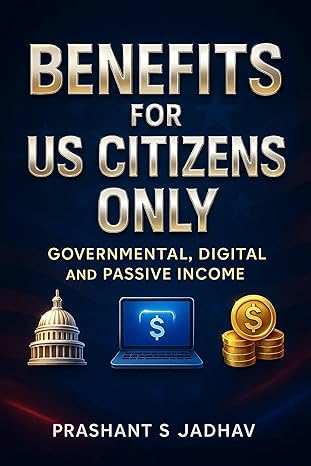
Find so many benefits for only the US citizens here: 


4. Education and Training

Education benefits include federal student aid (grants, loans, and work-study programs) for college or vocational training. Veterans and service members can also access education assistance through the GI Bill. Public schools, community colleges, and universities offer affordable education opportunities for residents.

5. Nutrition and Housing Support

Programs like SNAP (Supplemental Nutrition Assistance Program) and WIC (Women, Infants, and Children) ensure access to nutritious food for low-income families. Housing programs, including Section 8 and public housing assistance, help individuals afford safe and stable housing.

6. Tax Benefits and Credits

The U.S. tax system provides several credits that reduce the amount of tax owed or increase refunds — such as the Earned Income Tax Credit (EITC), Child Tax Credit (CTC), and American Opportunity Tax Credit (AOTC) for education expenses.

7. Workplace and Family Benefits

Many employers in the U.S. offer additional benefits, including paid time off, parental leave, retirement savings plans (like 401(k)s), and health insurance. The Family and Medical Leave Act (FMLA) ensures job protection during certain family or medical emergencies.